Soundwin Network Inc. Is a Rockchip solution provider in Taiwan. Soundwin provides one-stop service for software and hardware customization based on Rockchip chipset, such as Rockchip RK3399 CPU、Rockchip RK3288 CPU、Rockchip PX30 CPU、Rockchip RK3328 CPU、Rockchip RK3368 CPU、Rockchip RK3399 PRO CPU. Jul 12, 2021 STEP 2: Load Firmware IMG file to Rockchip Batch Flash Tool. Now that the necessary drivers are installed, it’s time to load the firmware file to the Rockchip Batch Flash Tool. Launch the tool by double-clicking on the RKBatrchTool.exe file. Then right next to the FW path field, you will see a button with three dots. This is a common guide for reflashing RockChip based devices. All RK SoC (RK3066, RK3188, RK3288, RK3229, RK3328, RK3399 and so on) supports the same applications and drivers for Host system, if 3rd party producers do not add any other limitations or special options. Rockchip android tool - Download - 4shared. جميع تعريفات Rockchip - الصفحة 1. التعديل الأخير تم بواسطة AdReAnO;.
Firstly this is presuming that you have already installed the Rockchip drivers for your tablet if not follow my guide here: http://www.freaktab.com/showthread.p…-for-flashing!
STEP 1
Make sure your tablet is charged. Download the Rockchip batch tool
Rockchip Batch Tool Download
STEP2
Unzip the file and start the RKBatchTool program, and use the firmware path selector to find your firmware image.
Now put your tablet into recovery mode or flash mode as it is sometimes called and connect it to your PC. As you will see you will see that your device is connected, indicated by the green box. If you are upgrading from say a manufacturers Rom to a new version that hit the upgrade button, if you are installing a custom firmware that usually it is the restore button.
Step 3
Once you have done this the software will send the firmware to your tablet and the flashing process will begin, you will see firmware loading on the RockchipBatchTool screen, just leave it to do its work and be patient and be careful not to knock or touch anything while it is flashing. Once the process has completed your tablet will disconnect from the program and the green box will not be highlighted. Now the tablet will begin to flash and reboot with your new firmware on it!
- 5Step By Step
- 5.1Building the sources
- 5.1.3Building rootfs
- 5.1Building the sources
- 6See also
This guide provides information which will help you get started with rockchip opensource linux. If you have any questions, please report to us on github project issue page.
We are providing 3 ways to build rootfs including prebuilt Debian, Yocto, Buildroot. You can choose the way you prefer.(Please check the Software Status because different chips have a different support)
You will need below firmware/image for a full Linux OS and flash them to different locations:
- U-Boot SPL/Rockchip miniloader
*U-Boot
*boot(including kernel, dtb and config file)
*rootfs(Debian, Ubuntu, etc.)
Before starting to develop, please refer to board configandhow-to to choose a most matching config as the foundation.
Note that our development environment is Ubuntu, you can use 16.04 or later version(with downgraded arm gcc).
Debian-9 and Docker-Rockchip are also available.
Ubuntu 14.04 is deprecated, we don't guarantee that Linux SDK can work on it.
Here are some necessary packages for building the project.
If you insist on developing on your own environment, please make sure the version of gcc-arm-linux-gnueabihf and gcc-aarch64-linux-gnu is less than 6.
The rockchip linux SDK source tree is located in multi Git repository hosted by Github. The SDK uses repo to sync down source code.
Create an empty directory to hold your working files.
To initialize Linux SDK source tree, you need to get repo first
Basic Linux SDK(standalone kernel/u-boot/rootfs)
Yocto
Buildroot
Below guides are based on basic Linux SDK, guides for yocto/buildroot could be found in the separate page.
ref : partition, rockusb, boot
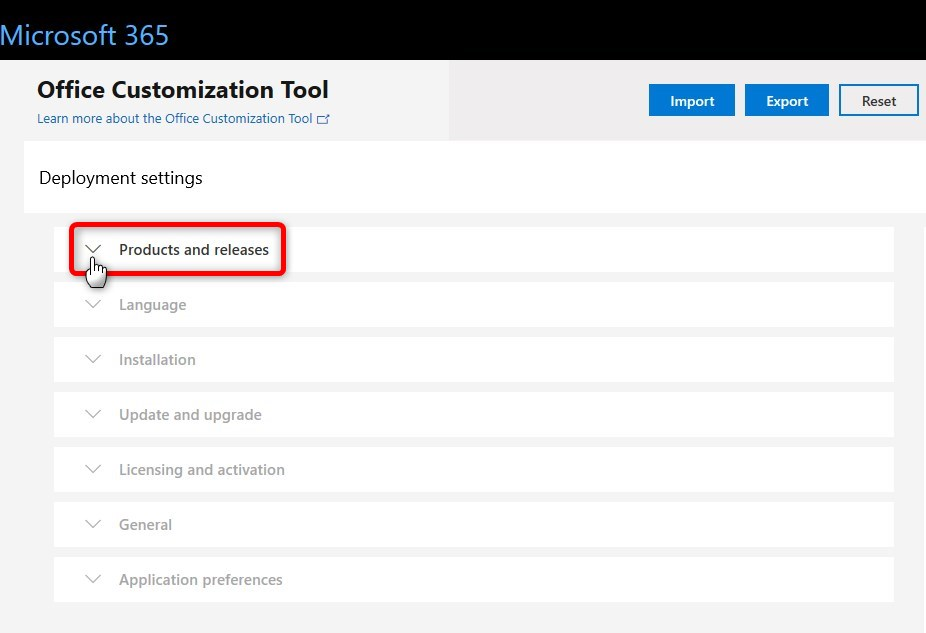
Rockchip Customization Tool Download
We have provide build scripts which essentially wraps the commands, so you can quickly start your development by them.
Please note that those scripts are assumed your directory structure is same with the one created by manifest. We use rk3288-firefly as example. You can change rk3288-firefly to any other board supported(ie. rk3399-firefly)
compile kernel
compile uboot
Pack all parts to a complete image
`s` is size in Mbyte, `r` is your rootfs image (prebuilt debian image) location. Here we use rk3288 as example. You can change it to any other supported chips(ie. rk3399, rk3328).
flash image
eMMC (Ensure the board is in maskrom mode. maskrom, Not rockusb! ):
SD Card:
`d` is your target device
bringup(burn kernel, uboot, gpt)
update kernel

update uboot (armv7)
update uboot(armv8 with miniloader)
Before asking questions, please, read references and follow the setp by setp guide to boot your device.
It's better if you can study those build scripts.
Please refer to AndroidFlashTool(TODO: wiki) for flashing image on Windows. (For the first time, it's recommended to use a linux host, to save the time.)
Building the sources
Building uboot
Installing the build tools and download source
Compile the Uboot
You can get spl/u-boot-spl.bin(if there is) and u-boot.bin when build complete, we will use these files to generate idb.img or uboot.img
See U-Boot page for more detail.
There are two feasible ways to boot to U-Boot.
1. RK SPL bin(DDR.bin, miniloader)
2. U-Boot SPL
See boot option page for more detail.
Building kernel
Compile the kernel:
For ARM v7
For ARM V8

You can get zImage/Image and dtbs when build complete, we will use these files to generate boot.img for boot partition.
See Rockchip kernel for more detail.
Building rootfs
It's recommend to download prebuilt debian image for bringup.
Debian
See debian-guide for detail.
You should get xxx-rootfs.img.
Yocto
See yocto-user-guide for detail.
You should get xxx.ext4 rootfs image.
Buildroot
See buildroot-user-guide for detail.
You should get rootfs.img in this step for the Linux OS.
Booting the Board
Then you can chose a suitable way for you to boot the board with flash all the image to media device.
- Booting from emmc
*Booting from sdcard
*Booting from udisk
Drivers
Display:
- eDP
*MIPI-DSI
*LVDS
*HDMI
*HDCP
Graphic:
- RGA
*GPU
*VOP
USB:
- DWC2
*DWC3

Storage:
- eMMC
*SD-Card
Audio:
- HDMI-Audio
*I2S
*SPDIF
Connectivity:
- Wireless
*Ethernet
Others:
- PWM
*I2C
*SPI
*UART
*Thermal
*Clock
*DVFS
*Suspend/Resume